Adaptive fitness technology matters to larger wellness programs because a single static plan rarely fits a diverse population. Employees, facility members, and private community members arrive with different goals, schedules, experience levels, equipment access, recovery needs, and comfort with training.
The practical question is not whether software can replace coaching or medical judgment. It cannot. The better question is whether adaptive workout technology can make day-to-day programming more responsive while keeping expectations, scope, and risk controls clear.
Why larger programs evaluate adaptive fitness
Public health guidance consistently points to the value of regular physical activity, but participation is easier to recommend than to maintain. A workplace or facility program needs programming that feels specific enough for beginners, returning athletes, and busy adults who cannot train on a perfect schedule.
Personal fit
Plans should adjust when effort, recovery, equipment, or schedule changes.
Clear guidance
Members need simple next steps, not a large library of unfiltered options.
Measurable use
Teams should track completion, retention, support load, and user feedback.
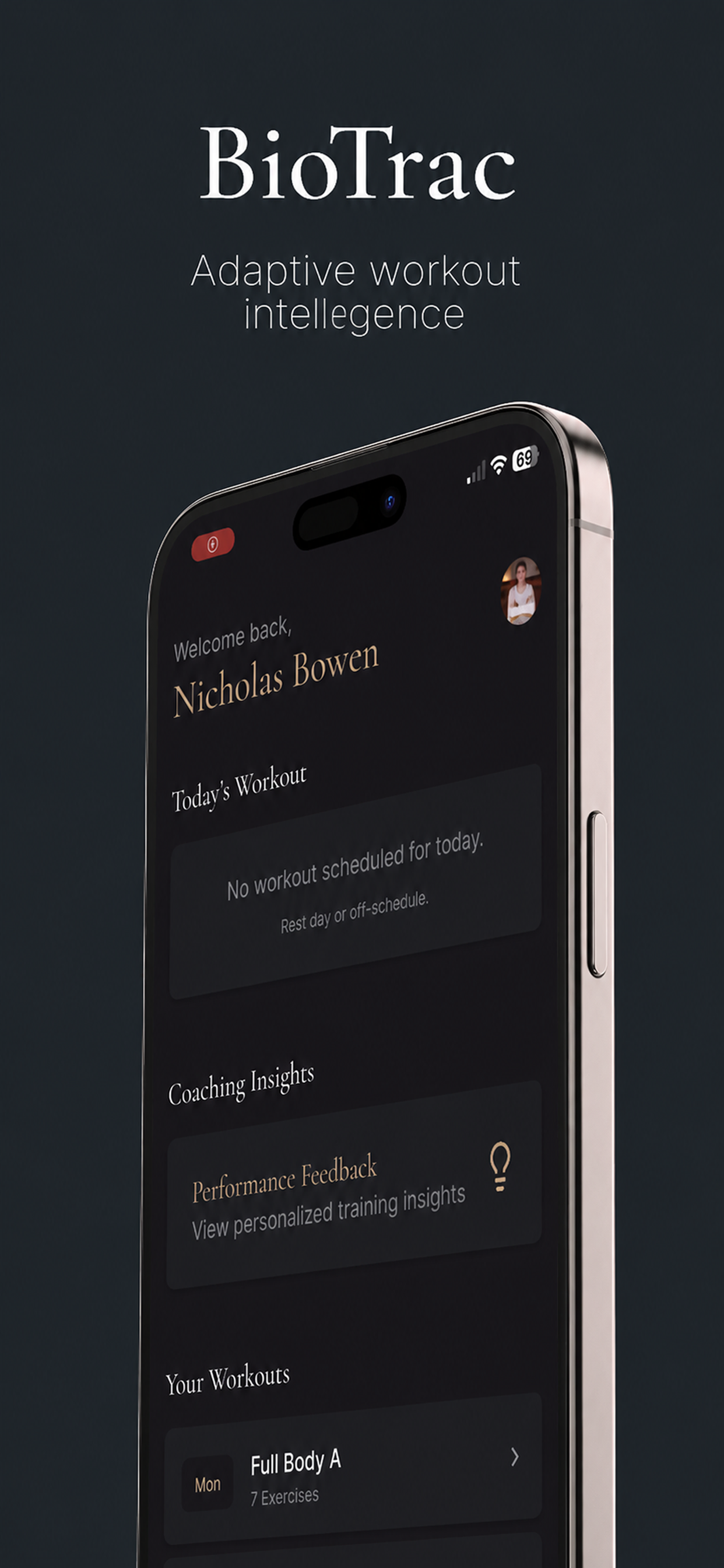
BioTrac approaches this at the individual training level: the app builds a plan, logs set performance, records RPE, and uses that information to adjust what comes next.
Implementation roadmap
- Define the population. Separate beginners, experienced lifters, injury-return users, and general wellness participants because they need different onboarding and support.
- Choose the workflow. Decide whether adaptive training is a self-serve member benefit, a coach-supported program, or a recommended companion to an existing wellness initiative.
- Set scope limits. Document that software guidance is educational and does not replace healthcare advice, diagnosis, treatment, or in-person supervision.
- Pilot with a small group. Measure activation, workout completion, user questions, and whether members understand how to modify plans when life changes.
- Review operational fit. Confirm whether the current product supports the management, reporting, billing, and support expectations of the program before expanding.
ROI signals to measure
ROI should be measured from the program's own baseline. A credible evaluation looks at whether people keep training, understand what to do next, and need less manual programming support for routine adjustments.
| Metric | Why it matters | How to read it |
|---|---|---|
| Active use | Shows whether members return after onboarding. | Compare weekly active users to enrolled users. |
| Workout completion | Shows whether the plan is usable in real schedules. | Track completed sessions by week and user segment. |
| Modification requests | Reveals whether the plan can respond to real constraints. | Review common reasons such as equipment, soreness, or time. |
| Support burden | Shows whether guidance is clear enough to reduce confusion. | Compare support questions before and after rollout. |
Adaptive fitness versus traditional fitness software
Traditional fitness software often gives people access to plans, videos, or tracking tools. Adaptive fitness software adds a feedback loop. The system does not merely record what happened. It uses logged work and perceived effort to update future recommendations.
That feedback loop is the core evaluation point. If a platform cannot respond to a missed week, a hard set, equipment limits, or a change in goal, it may still be useful, but it is closer to a workout library than an adaptive training system.
Frequently asked questions
What is adaptive fitness technology for enterprise programs?
Adaptive fitness technology is software that adjusts workout plans, intensity, or exercise selection from user inputs and training performance. In enterprise or facility contexts, it is usually evaluated as a member-facing tool that can make programming more responsive.
Does BioTrac include gym management integrations?
BioTrac is currently an iOS adaptive workout planning and tracking app. Teams evaluating enterprise use should review current product fit directly with BioTrac before assuming facility dashboards, member management, or gym management integrations.
How should a wellness team evaluate ROI?
Start with measurable inputs such as active users, workout completion, retention, support burden, member feedback, and whether participants are able to continue training safely within their own limits. Avoid relying on generic ROI claims without internal baseline data.
Sources and further reading
Editorial standards
This guide is published by the BioTrac Editorial Team. We write from BioTrac product behavior, public health guidance, and clear training principles. BioTrac does not replace medical advice, diagnosis, treatment, or the judgment of a qualified coach or healthcare professional.
Read Our Trust Standards